Creating a Game Night Calendar: Best Practices
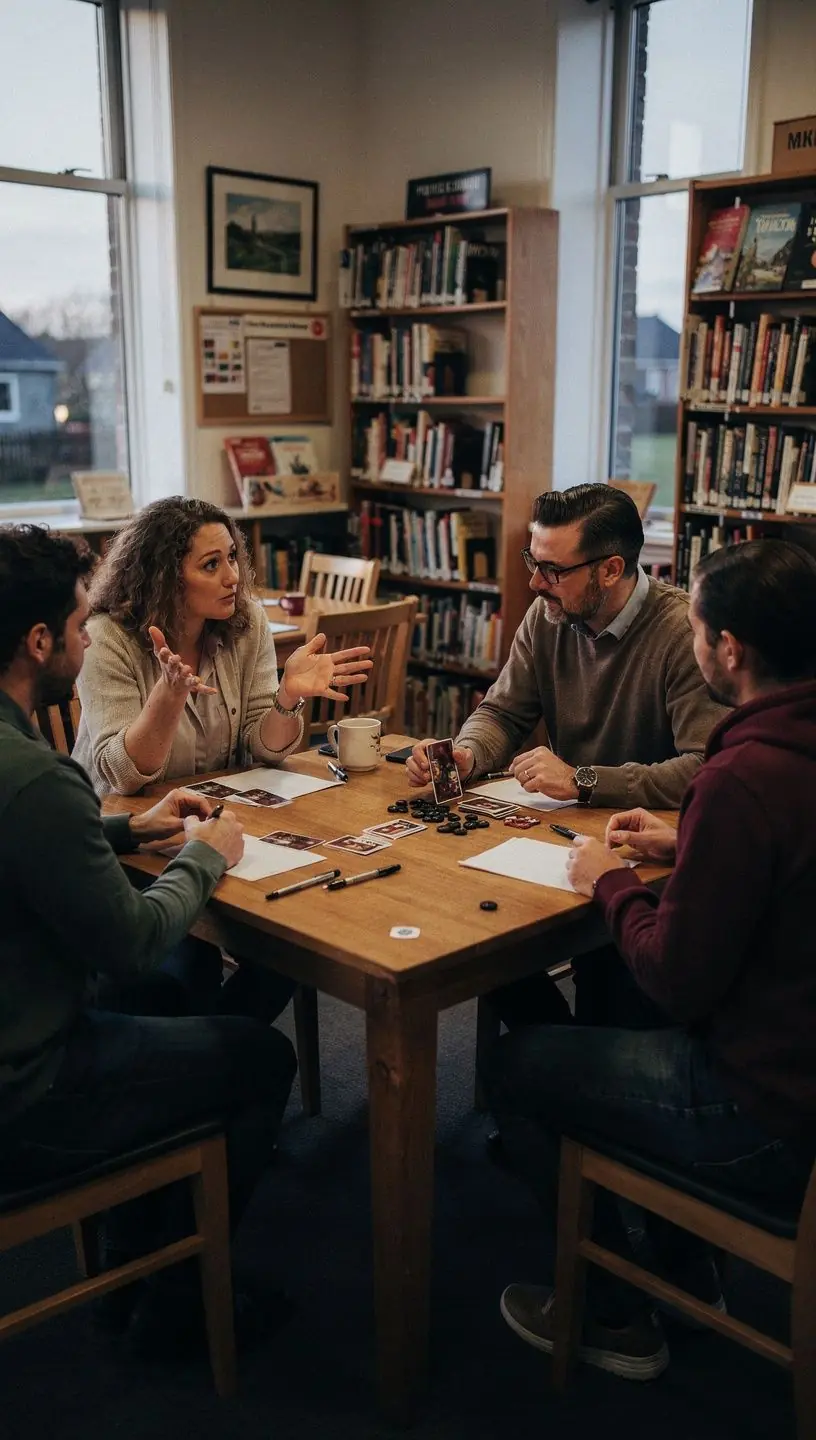
Organizing a game night can be an enriching experience for community members, especially those aged 40-60. A well-structured game night calendar not only enhances participation but also fosters a sense of belonging. In this article, we’ll explore effective strategies for creating a game night calendar that invites newcomers and engages existing members.
Understanding the Importance of a Game Night Calendar
Having a dedicated game night calendar serves multiple purposes. It helps in planning ahead, promoting events, and ensuring that everyone is informed about upcoming activities. Research indicates that structured plans can increase participation rates in community activities by up to 30% (according to a study by the Community Engagement Institute).

"A well-organized calendar not only boosts attendance but also enhances the overall enjoyment of the events." - Community Engagement Expert
Best Practices for Creating Your Calendar
Consider the following best practices when developing your game night calendar:
- Set Regular Dates: Choose fixed days of the month for your game nights. This helps members to plan in advance and builds anticipation. Many successful groups typically hold their events bi-weekly or monthly.
- Include a Variety of Games: Offering different games can cater to various interests. According to industry standards, featuring both classic and modern games can attract a wider audience.
- Provide Clear Participation Guidelines: Newcomers often appreciate understanding what to expect. Include notes on how to join, what to bring, and any other relevant details. Research shows that clear communication can improve engagement by as much as 25%.
How to Promote Your Calendar Effectively
Promotion is as crucial as planning. Here are some effective strategies:
- Utilize Social Media: Share your calendar on platforms like Facebook and local community groups. Studies indicate that social media can significantly increase event visibility.
- Leverage Community Boards: Many local community centers have bulletin boards where you can post your event details. This traditional method often reaches those who may not be active online.
- Send Reminders: A reminder a few days before the event can help boost attendance. This practice aligns with suggestions by event-planning professionals, who recommend follow-ups to keep events top of mind.
Measuring Success and Gathering Feedback
After your game nights, take time to assess what worked and what didn’t. Feedback can be gathered through simple surveys or informal discussions. According to experts, incorporating feedback loops can enhance future events and adapt to community needs. In many cases, this iterative process can lead to a more engaged participant base over time.
Conclusion
Creating a game night calendar involves thoughtful planning, clear communication, and ongoing evaluation. By implementing these best practices, you can foster a welcoming environment for both newcomers and long-time members alike. Remember, while the goal is to enhance participation, the real value comes from building connections within your community. Set realistic expectations, stay flexible, and enjoy the process of bringing people together through the joy of games.